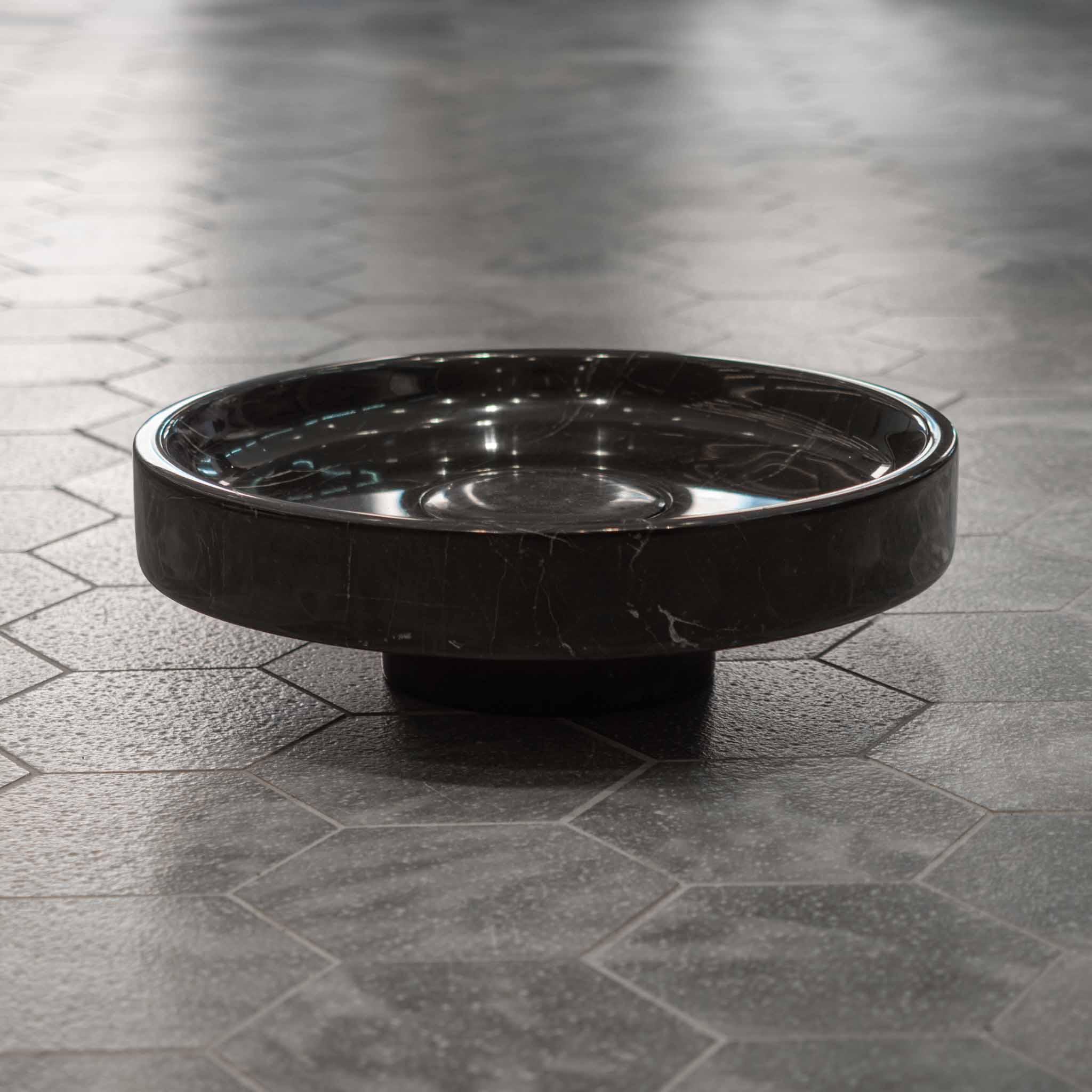

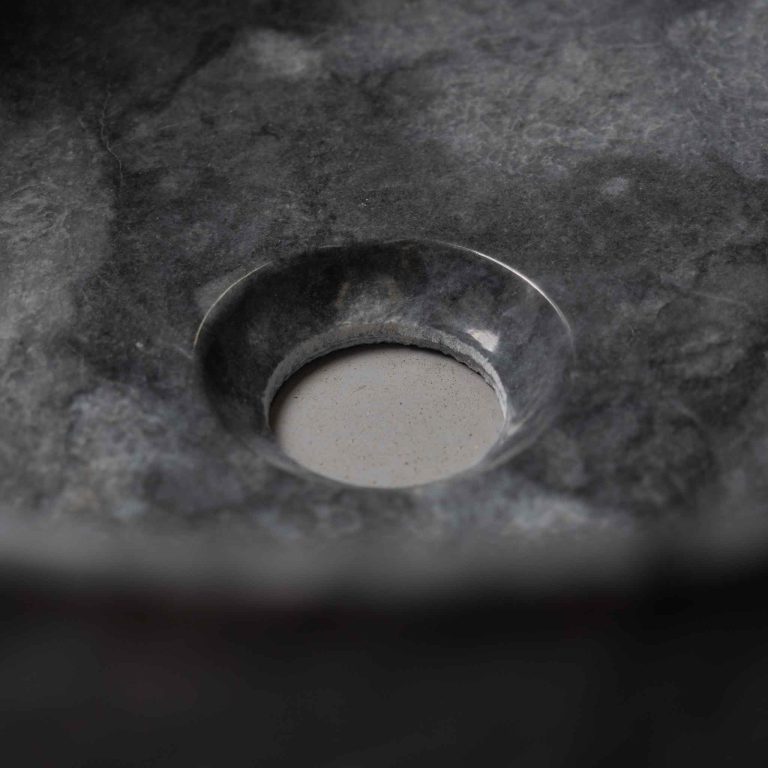
Nero Black Marble Shallow Basin
Please note this is a clearance item final 2 basins left. Samples for this product are unavailable.
Delivery in 5–7 working days.
Delivery options are confirmed at checkout.
Please note this is a clearance item final 2 basins left. Samples for this product are unavailable. Ex-display item now listed at a fraction of the cast as part of spring clearance! Final 2 left in stock. Beautiful shallow design with a slight upstand made of Nero black marble.
For most marble tile and mosaic installations, you should plan for a suitable stone adhesive, grout, sealant and aftercare cleaner. Adhesive fixes the tile to the prepared surface, grout fills the joints, sealant helps protect the stone from everyday absorption, and a stone-safe cleaner helps maintain the finish after installation.
The exact product choice depends on the stone, finish, tile size, room type, substrate and whether the area is a wall, floor, shower, bathroom, kitchen or exterior space. Marble, travertine, limestone and onyx should not be treated like standard ceramic tiles. They are natural materials and need compatible fixing and care products. Your installer should confirm the final specification before work begins.
For marble tiles and mosaics, use a high-quality adhesive suitable for natural stone and the installation area. Starel supplies Mapei Keraquick S1 adhesive options, including white and grey versions, for suitable marble tile and mosaic installations.
White adhesive is often preferred for lighter marble, pale mosaics and stones where colour transfer or shadowing could affect the finished appearance. Grey adhesive may be suitable for darker stone or where your installer confirms it is appropriate. The correct choice should be based on the stone colour, thickness, surface, substrate and room conditions.
Adhesive selection is important because natural stone can be sensitive to moisture, staining and movement. A rapid-setting adhesive can also help the installation process because the stone must be properly fixed and dry before sealing or grouting stages are completed. Always follow the manufacturer’s instructions and use a professional installer with natural stone experience.
Use a grout suitable for natural stone, the joint width, the room and the desired finish. Starel supplies Mapei Ultracolour grout, which is designed for tiled surfaces and is commonly used where a durable, neat and consistent grout finish is required.
Grout colour should be chosen intentionally. A close colour match can soften the overall surface and allow the stone to remain the focus. A contrasting grout can emphasise pattern, which may work well for checkerboard, basketweave, herringbone, border and geometric mosaic designs.
With marble mosaics, grout choice has a major visual impact because the joint lines are part of the design. Your installer should confirm the correct grout type, joint width and application method before work begins. Some natural stones may need sealing before grouting to reduce the risk of grout staining, especially lighter, honed, textured or porous materials.
Yes, most natural stone products should be sealed with a suitable stone sealer. This includes many marble tiles, marble mosaics, travertine, limestone, onyx and selected stone surfaces. Sealing helps reduce absorption from everyday water, oils, dirt and spills, making the surface easier to maintain.
Sealing does not make natural stone completely stain-proof, acid-proof or maintenance-free. Marble and limestone remain sensitive to acidic substances such as vinegar, lemon juice, some bathroom cleaners, limescale removers and harsh chemicals. A sealer helps protect the stone, but the correct cleaning and care routine still matters.
For installation, your installer should confirm whether the stone needs sealing before grouting, after grouting, or both. For ongoing care, resealing may be needed depending on use, wear, room conditions and the product applied.
Many Starel marble tiles and mosaics can be used in bathrooms and showers when installed, sealed and maintained correctly. The fixing products must be suitable for the room, the surface and the level of water exposure.
Wet areas need more than good tiles. The substrate must be correctly prepared, the area must be waterproofed where required, and the adhesive, grout and sealant must be appropriate for the installation. Stone should not be relied on as the waterproofing layer. A professional installer should confirm the full system before work begins.
For showers, bathroom floors and vanity areas, sealing and stone-safe cleaning are especially important. The stone should be protected from harsh cleaners, standing product residue, acidic toiletries and aggressive limescale treatments. Correct maintenance will help the installation stay cleaner and more consistent over time.
Use a pH-appropriate, stone-safe cleaner designed for natural stone. Starel supplies Lithofin MN Easy Clean Marble Cleaner, a ready-to-use cleaner for marble and other natural stone surfaces. It is suitable for regular cleaning of smaller stone areas such as vanity tops, kitchen worktops, table tops, wall tiles and bathroom surfaces.
Avoid general household cleaners unless they are confirmed as safe for natural stone. Acidic cleaners, vinegar, bleach, abrasive powders, limescale removers and aggressive bathroom sprays can damage marble, limestone, travertine and onyx. They may dull the finish, etch the surface or weaken the appearance of polished stone.
For best care, wipe spills promptly, clean regularly with a stone-safe product and avoid allowing toiletries, oils, soaps or acidic products to sit on the surface for long periods.
Some fixing and sealing products may be useful for slab-based and fabricated stone projects, but the application is different from standard tile installation. Marble cleaners and suitable stone sealers can be relevant for vanity tops, splashbacks, kitchen tops, bath surrounds, table tops and other fabricated stone elements. Adhesive and grout products are generally more relevant to tiles, mosaics, trims and wall/floor installations.
For slabs, worktops and bespoke fabrication, your fabricator should confirm the correct sealing, jointing, fixing, cleaning and maintenance products. This is especially important for marble, travertine and onyx, where surface finish, edge detail, cut-outs, room use and exposure all affect the correct specification.
If Starel is supplying the slab or carrying out fabrication, ask our team which sealing and care products are suitable for the chosen material. If your own fabricator is handling the work, share the product details with them before purchasing fixing or aftercare products.
Start with the basin and vanity layout. The tap needs to suit the basin type, stone top, splashback, plumbing position and the way the space will be used every day.
For a countertop basin, you may need a taller deck-mounted tap or a wall-mounted option with enough projection to reach the basin comfortably. For an inset or undermount basin, the tap position, spout height and reach should be checked against the stone top before any holes are cut. If you are ordering a vanity unit with a marble, quartz or stone top, the tap should be chosen before fabrication so the correct cut-outs can be planned.
The finish should also be intentional. Chrome gives a clean, classic bathroom look. Gold or brass tones add warmth against marble, oak and walnut. Bronze can create a softer, more architectural finish, especially with natural stone, darker timber and warm neutral interiors.
Yes. Starel taps and fixtures are selected to work with bathroom and vanity schemes, including oak vanities, walnut vanities, stone vanity tops, splashbacks, basins and marble tiles.
For the best result, choose the vanity, basin, tap, waste, trap, mirror and wall finish as one connected scheme rather than separate items. This helps avoid practical issues with tap height, basin clearance, drawer access, plumbing space and splashback position. It also gives the room a more complete and considered finish.
If your vanity top is being fabricated from marble, quartz, travertine or another slab material, confirm the tap and basin choice before fabrication begins. Once stone is cut, changing tap position or basin type can be difficult and may not be possible without remaking the top.
The best fixture finish depends on the stone, timber, lighting and wider bathroom style. Chrome is clean, versatile and easy to pair with cooler marble, white tiles and classic bathroom schemes. Gold and brushed brass finishes add warmth and work well with walnut, oak, beige stone, travertine and heavily veined marble. Bronze is useful where you want a deeper, softer finish that feels less bright than gold but warmer than black or chrome.
Try to keep your main metal finishes consistent. Taps, robe hooks, wastes, traps, handles, mirrors and shower fittings do not have to match perfectly, but they should feel intentional. Too many mixed finishes can make a premium bathroom look unfinished. If the space includes a marble vanity top or splashback, use the stone’s undertone to guide the metal finish.
Before installation, check the tap’s mounting type, required hole size, spout height, spout reach, water pressure requirements, pipe connections and compatibility with the basin. Your plumber or installer should confirm these details before the product is fitted.
If the tap is being installed through a stone vanity top, the fabricator needs accurate technical information before cutting. This includes tap-hole size, tap position, distance from the basin, clearance behind the basin and any splashback or wall restrictions. For wall-mounted taps, the plumbing position must be planned before tiling or wall finishing begins.
Taps and fixtures should always be installed by a qualified professional. Poor installation can lead to leaks, movement, poor alignment or damage to the surrounding stone, vanity or basin.
Yes, taps and fixtures can be used with marble and natural stone surfaces, but the installation needs to be planned carefully. Stone tops require accurate drilling, suitable support and correct sealing around openings. Cut-outs for taps, wastes and basins should be handled by an experienced fabricator or installer.
Natural stone should be protected from standing water, harsh cleaners and aggressive limescale removers. Around taps, water marks, soap residue and cleaning products can build up quickly, especially on marble and travertine. Use stone-safe cleaning products on nearby stone surfaces and wipe around the tap regularly to reduce deposits.
If you are pairing taps with marble tiles, mosaics, vanity tops or splashbacks, choose a finish that complements the stone rather than competing with it.
Yes. Robe hooks, wastes, traps, rails and small fixtures may be functional, but they have a strong impact on the finished room. In a stone-led bathroom, these details help connect the vanity, basin, taps, mirror, tiles and shower area.
A robe hook in the right finish can make the room feel more complete. A mismatched waste or visible trap can weaken the design, especially in a premium vanity area. When using oak or walnut vanities, marble tops, brassware and natural stone tiles, the small fittings should be chosen with the same care as the larger products.
This is particularly important in cloakrooms, en-suites and powder rooms, where every detail is visible and the vanity area often acts as the main focal point.
Clean taps and fixtures with products suitable for the finish, and avoid letting harsh cleaners run onto marble, travertine, limestone or onyx surfaces. Many bathroom cleaners are designed to remove limescale, but acidic or aggressive products can damage natural stone.
Wipe fittings regularly with a soft cloth to reduce water marks and residue. Around a stone vanity top or splashback, clean spills and splashes promptly using a pH-neutral stone-safe cleaner on the surrounding stone. Avoid abrasive pads, bleach, vinegar, strong limescale removers and harsh sprays near marble or other sensitive stone.
Good care is simple: use the correct cleaner, dry the area regularly, and keep taps, wastes and fixtures free from product build-up. This helps both the fitting and the stone around it stay looking refined for longer.
Most interior stone products are best understood as bespoke or project-led stone pieces rather than standard ready-to-buy products. The online listings show what can be produced using Starel’s slab materials and fabrication capabilities, including kitchen tops, islands, vanity tops, splashbacks, bath surrounds, shower walls, stone basins, door frames, architraves, steps, risers and marble accessories.
Because these products depend on the selected material, dimensions, cut-outs, edge details, site requirements and finish, they are usually quoted after the project details have been reviewed. The product page should be treated as a starting point for specification and inspiration, not a fixed final order in every case.
If you have a specific size, room layout, stone preference or design requirement, submit a quote request and the Starel team can review what is suitable.
Interior stone products can be produced from selected slabs within Starel’s wider stone offering, including marble, quartz, travertine and onyx, depending on the product and intended use.
Marble is often chosen for vanity tops, splashbacks, bath surrounds, feature walls, steps and statement surfaces because of its natural veining and premium finish. Quartz is a practical option for kitchen tops, islands and high-use surfaces where consistency and lower maintenance are important. Travertine brings warmth, texture and a softer architectural feel, making it well suited to vanities, wall cladding and spa-style bathrooms. Onyx is best used as a decorative feature material, often for statement panels, powder rooms, bars and backlit interiors.
Not every material is suitable for every application. A kitchen island, shower wall, basin, step or door frame will each have different practical requirements. Starel can advise on material suitability before fabrication is confirmed.
The process usually begins with a quote request. You provide the product type, preferred material, approximate dimensions, project location, drawings or photos, and any special requirements. The Starel team then reviews whether the selected stone is suitable and whether the product can be fabricated as requested.
Once the material and specification are agreed, the quotation can account for the slab, cutting, polishing, edge detail, cut-outs, fabrication complexity, handling, delivery and any additional requirements. For more technical projects, further clarification may be needed before the quote can be finalised.
Production should only begin once the specification has been approved and payment terms have been confirmed. Bespoke and fabricated products are normally made to order, so they may not be cancellable once production, sourcing or cutting has started.
For high-value, visually sensitive or slab-led projects, we strongly recommend viewing the slab in person where possible. Interior stone products often depend on the exact face of the material, especially where veining, colour movement, bookmatching, translucency or visible surface flow matters.
A small product image or sample cannot fully show how a marble, travertine or onyx slab will look once it is cut into a vanity top, kitchen island, wall panel or bath surround. Viewing the slab at full scale helps you choose intentionally and approve the areas of the stone that will become visible in the finished piece.
If visiting is not possible, you can request full-slab photos or videos before confirming the material. For onyx or feature stone, additional review may be needed if lighting, translucency or pattern placement is part of the design.
Starel can support quote-based fabrication for selected interior stone products and can arrange delivery where suitable. Depending on the project, the finished stone may be delivered to your home, project site, installer or fabricator.
Delivery and handling must be planned carefully. Fabricated stone pieces can be heavy, fragile and difficult to move, especially large kitchen islands, shower wall panels, bath surrounds, steps and oversized vanity tops. The receiving location must have suitable access, enough space, and a prepared team able to inspect and handle the material safely.
Installation is separate from fabrication unless specifically agreed. Your installer, contractor or fabricator should confirm site measurements, access, support, fixing method and readiness before delivery is arranged.
To request an accurate quote, provide as much practical detail as possible. At minimum, include the product type, approximate dimensions, preferred material, project location and intended use.
For a stronger enquiry, include:
Interior stone products are highly individual, so clear information helps Starel advise properly. The aim is not just to produce a stone piece, but to make sure the material, design, fabrication and delivery route are suitable for the finished space.
Bathroom accessories should be chosen as part of the full room, not as separate finishing pieces. In a stone-led bathroom, details such as robe hooks, towel holders, wastes, traps, shelves and other fixtures need to work with the vanity unit, basin, taps, tiles, mosaics, stone top and splashback.
Start with the main finishes in the room. If you have a walnut vanity, warm marble and brushed brass taps, your accessories should support that palette. If the bathroom uses white marble, chrome fixtures and a cleaner architectural layout, a simpler matching finish may be more suitable.
The best bathroom accessories feel intentional. They should be useful, correctly placed and visually aligned with the rest of the space. Small details can make a premium bathroom feel complete, but poorly matched accessories can quickly make the final design feel disjointed.
In most cases, yes. Matching or closely coordinating bathroom accessories with taps, wastes, traps and other visible fixtures creates a more refined finish. This is especially important in bathrooms that use natural stone, oak or walnut vanities, marble tops, splashbacks and detailed mosaic work.
The finish does not always need to be identical, but it should feel considered. Brushed brass, gold, chrome, bronze and black finishes can vary between suppliers, so check product images, descriptions and finish names carefully. Where possible, order related fittings from the same finish family to reduce visual mismatch.
If you are using a statement stone such as Calacatta marble, travertine or onyx, avoid too many competing finishes. Let the stone remain the focus and use accessories to support the design rather than overpower it.
Placement should be planned before final installation where possible. Robe hooks, towel fittings, shelves and other accessories need to be positioned for daily use, but they should also respect the tile layout, grout lines, vanity position, shower screen, door swing and wall structure.
For robe hooks, think about where towels or robes will actually be used: near the shower, beside the bath, close to the vanity or behind the door. For shelves or wall-mounted accessories, check that the fixing location is suitable and that the product will not interfere with taps, mirrors, basins or shower controls.
If the accessory is being fixed into marble tiles, mosaics or large-format stone, installation should be handled carefully. Drilling into natural stone requires the right tools, steady fixing and a clear understanding of what is behind the wall.
Yes, many bathroom accessories can be fixed into marble tiles or natural stone surfaces, but the installation must be done properly. Natural stone can crack, chip or mark if drilled incorrectly, especially around edges, corners or detailed mosaic sections.
Your installer should confirm the correct fixing method based on the product weight, wall structure, stone thickness and tile format. Fixing into a strong backing surface is important; the stone itself should not be relied on as the only support for heavier accessories.
For valuable stone installations, plan accessory locations before tiling begins. This helps avoid drilling through awkward areas, decorative borders, feature mosaics or areas where plumbing, wiring or unsupported boardwork may sit behind the surface.
The best finish depends on the overall bathroom palette. Chrome works well with cleaner white marble, cool-toned stone and classic bathrooms. Brushed brass or gold adds warmth and pairs well with oak, walnut, beige stone, travertine and warmer marble tones. Bronze can create a softer, more architectural finish and often works well with darker timber, honed stone and understated luxury schemes.
Oak vanities usually pair well with lighter, warmer metal finishes because they keep the room soft and natural. Walnut vanities can take richer finishes such as brass, bronze or darker metal tones because the timber already has depth and visual weight.
If the room includes strong marble veining or a statement mosaic, keep the accessories simple. Their role is to complete the room, not compete with the stone.
Care for bathroom accessories and nearby stone surfaces together. Many bathroom accessories can be wiped with a soft cloth and a mild cleaner suitable for the finish, but avoid letting harsh bathroom cleaners run onto marble, travertine, limestone or onyx.
Natural stone can be sensitive to acidic cleaners, limescale removers, bleach, vinegar and abrasive products. Around taps, hooks, wastes and fittings, product residue and water marks can build up quickly, so wipe the area regularly and use a pH-neutral stone-safe cleaner on surrounding stone.
Good maintenance is simple: keep fittings dry where possible, avoid aggressive chemicals and clean the stone around them with the correct products. This helps preserve both the accessory finish and the natural stone surface.
In-stock tiles and mosaics are shipped from our UK warehouses, with standard delivery typically arriving within one week. An express option of approximately 1–3 working days is available at checkout, subject to postcode and carrier availability.
Main orders are delivered on pallets via trusted third-party kerbside carriers, and you will receive a notification the day before with an 8am–5pm delivery window. If no one is available to receive the delivery and a second attempt is required, re-delivery charges may apply. Where possible, pallets can be left in a safe location if this is clearly noted in the order comments at checkout. Please note that drivers are unable to open sealed pallets and are not permitted to carry goods into your property.
Starel Stones ships worldwide and we regularly arrange bespoke delivery solutions for international clients. For any order or sample shipment outside the UK, please contact us directly so that we can provide a tailored shipping quotation from our international courier partners.
International orders are processed by invoice and are not subject to the UK VAT included in the prices displayed on our website. To obtain a quotation, please email enquiries@starelstones.co.uk with your full delivery address and details of the products you are interested in, and a member of our team will be pleased to assist.







Backorder products are available to order, but are not currently held for immediate dispatch.
These items usually have a lead time of 6–12 weeks. Minimum order quantities may also apply on selected products.
Once your order is placed, we will reserve your item and keep you updated on availability. If you are working to a specific deadline, please contact us before ordering.
Learn more about backorders and delivery terms by reading our Delivery Policy, or Contact Us before ordering if you need more help.